[ad_1]
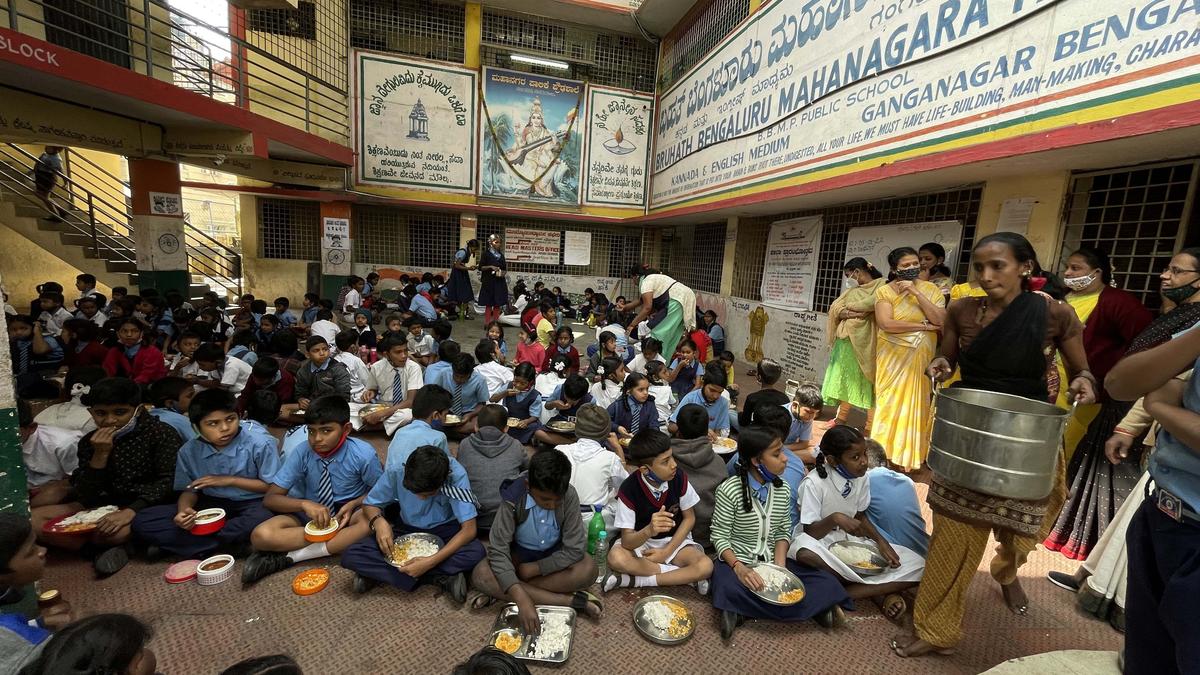
Students consuming the mid-day meal at Ganaganagara BBMP School in Bengaluru.
| Photo Credit: File photo
With an aim to encourage healthier eating habits among students, the Union government has advised states to reduce the usage of cooking oil by 10% in the mid-day meal programme in all government and aided schools under Pradhan Mantri Poshan Shakti Nirman (PM-POSHAN) scheme.
The Union Ministry of Education has released an advisory in this regard. It states that there is is an urgent need to raise awareness among teachers, parents, school students and community members on reducing the usage of cooking oil by 10% in day-to-day life through innovative ways.
“All cook-cum-helpers in schools must be trained to reduce the usage of cooking oil by 10%. We urge all students to be mindful of their oil consumption and adopt healthier cooking methods such as grilling, steaming, or baking instead of deep-frying,” said the advisory.
It further said that special meetings of the School Management Committee, debate competitions, and essay competitions may be held to make people aware of the importance of exercise and fitness.
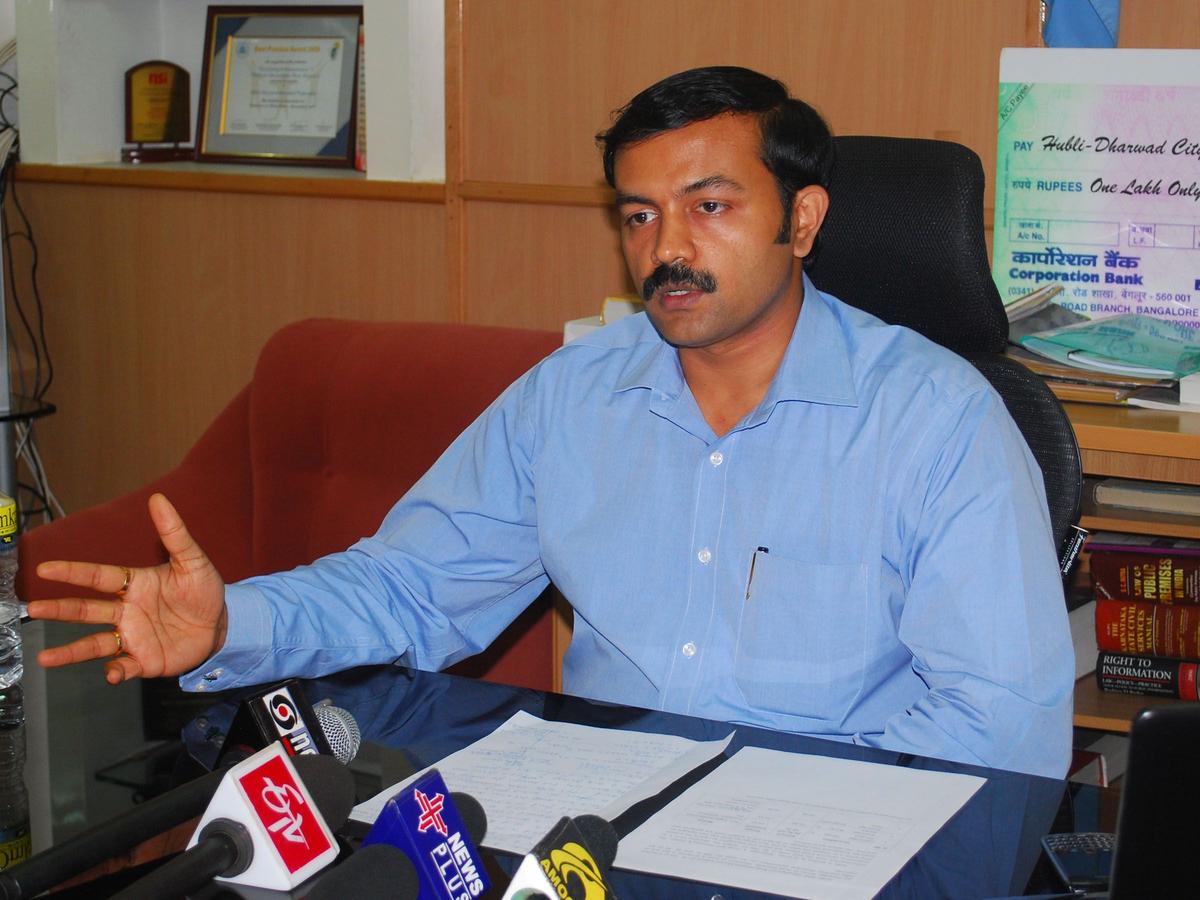
K.V. Trilok Chandra
| Photo Credit:
File Photo
K.V. Trilok Chandra, Commissioner for Public Instruction in Karnataka, said that the advisories issued by the Union Ministry of Education in the interest of the health of school children will be implemented in the State as well. “I have already instructed the officials to issue a circular in this regard,” he said.
Why this initiate
The PM-POSHAN is a centrally-sponsored scheme aimed at providing nutritious meals to students. This initiative benefits all children enrolled in Bal-Vatika and classes 1 to 8 in government and aided schools. However in Karnataka, the government has extended this programme to classes 9 and 10 and around 54 lakh students benefit from it.
In the midday meals programme, meals are prepared to be nutritionally balanced, incorporating fortified rice/wheat/coarse grains, pulses and green leafy vegetables. Double Fortified Salt (DFS) and fortified edible oil (enriched with vitamin A&D) are used in measured quantities of 5 gm for primary and 7.5 gm for upper primary students to maintain optimal calorie intake from fats. Additionally, vegetables grown in School Nutrition Gardens are directly utilised.
What the PM said
Recently, Prime Minister Narendra Modi had expressed his concern while speaking at ‘Pariksha Pe-Charcha 2025’ and ‘Mann ki Baat’ about increasing childhood obesity among school students in India. He pointed to Lancet journal which had reported that 12.5 million children between 5 to 19 years were overweight in 2022 as compared to 0.4 million in 1990, the share of boys being more than girls in urban areas.
“There is an urgent need to educate students on the adverse effects of excessive consumption of oil and its connection to obesity. The PM-POSHAN scheme presents an excellent opportunity to instil healthy eating habits, encouraging students to prepare and consume fresh, nutritious meals with minimal oil,” the advisory said.
Highlights of the advisory
-
Conduct special classes on the importance of minimising oil usage in meals.
-
Invite nutrition experts to hold sessions on low-oil diets and healthy recipes.
-
Organise school-level quiz competitions on healthy eating habits.
-
Train teachers to identify obesity in students and guide parents on portion control and increasing physical activity.
-
Encourage students to prepare low-oil recipes at home under supervision.
-
Organise awareness campaigns at various levels levels through seminars, workshops and guest lectures.
-
Encourage school canteens to offer healthier, low-oil meal options and promote nutritious alternatives.
-
Promote healthier cooking techniques such as steaming, grilling, boiling and baking instead of deep-frying.
-
Advocate minimal consumption of processed foods and snacks, which often contain hidden oils and unhealthy fats.
-
Emphasise a diet rich in fruits, vegetables and whole grains for balanced nutrition.
Published – March 17, 2025 09:27 pm IST
[ad_2]
The Hindu