[ad_1]
Lung cancer is the leading cause of cancer-related deaths worldwide, accounting for the highest mortality rates among both men and women, as per World Health Organisation. In an interview with HT Lifestyle, Dr Tanveer Majeed, consultant surgical oncologist, Wockhardt hospitals, Mumbai Central explained the most common types of lung cancer. Also read | Pulmonologist explains 6 surprising habits that can harm your lungs even if you don’t smoke
What is lung cancer?
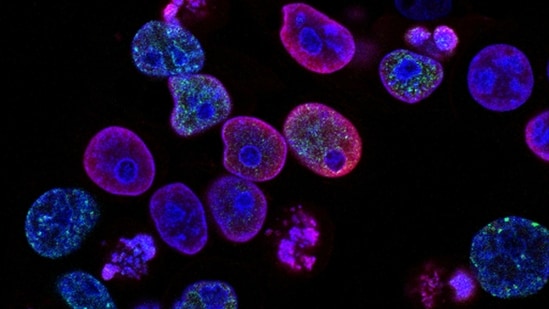
He said, “Although lung cancer is a heterogeneous group of different histological types of cancers, they are clubbed together as lung cancer, each having a different growth pattern, mode of spread, and treatment options. The two broad types of lung cancer are non-small cell lung cancer (NSCLC) and small cell lung cancer (SCLC). They are named based on the appearance of the cancer cells when viewed under a microscope; each has its own distinct characteristics.”
What is non-small cell lung cancer?
Non-small cell lung cancer [NSCLC] is the most prevalent lung cancer, accounting for approximately 80–85 percent of all diagnoses, Dr Majeed said. It tends to grow and spread more slowly than small-cell cancer, he added.
“NSCLC has three subtypes – adenocarcinoma, squamous cell carcinoma, and large cell carcinoma. Although smoking is a common risk factor for these cancers, adenocarcinoma in women and squamous cell carcinomas, other factors like radon gas and asbestos exposure can also contribute to NSCLC. Large cell carcinoma, which may occur in any region of the lung, tends to progress more rapidly than other subtypes,” he explained.
What is small cell lung cancer?
According to Dr Majeed, small cell lung cancer represents approximately 10–15 percent of lung cancers. “It has a definite link to smoking and is recognised for its rapid growth and rapid metastasis to the rest of the body, especially the adrenals and brain. This makes it more difficult to detect early and more difficult to treat, usually necessitating the use of multiple treatments such as chemotherapy and radiation,” he said.
Other types of cancer
“Less frequent are other types of cancers occurring in the lung, for examples, neuroendocrine cancer [NEC] and bronchial carcinoids, of which carcinoids are slow to grow and are not generally associated with smoking. While unusual, these can be effectively treated if caught early,” Dr Majeed said.
The doctor added that confirming the type of lung cancer is essential since it will literally determine the treatment and indicate the outcomes (overall and disease-free survival). “With the advancements in the field of molecular biology, various molecular markers, and next-generation sequencing [NGS], novel therapies such as targeted therapy and immunotherapy have provided more tailored alternatives even in advanced stages of lung cancer,” he said.
What else should you know?
Dr Majeed explained that while knowing the types of lung cancer is necessary, being aware of symptoms is equally important: “A persistent cough, chest pain, sudden weight loss, tiredness, or breathlessness should never be neglected. Detection at an early stage makes all the difference in how well the disease can be treated.”
He added, “Lung cancer is an aggressive disease which is treated differently based on various subtypes and presence of various markers. Awareness about the symptoms of lung cancer leads to early detection with a better outcome. Screening methods using low-dose CT scans of the thorax contribute significantly to outcomes.”
Note to readers: This article is for informational purposes only and not a substitute for professional medical advice. Always seek the advice of your doctor with any questions about a medical condition.
[ad_2]
Hindustan Times k