[ad_1]
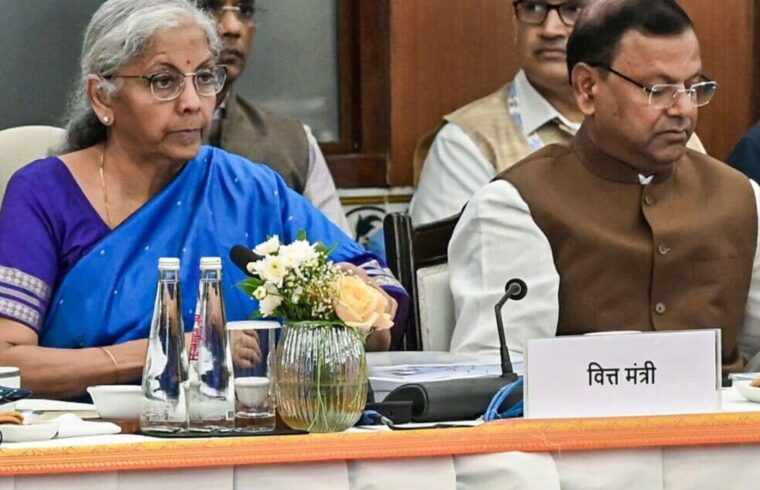
GST Council meeting: The GST Council, chaired by Union Finance Minister Nirmala Sitharaman, announced historic rate cuts on Wednesday, marking the biggest reform of the GST system since its introduction in India on July 1, 2017. From healthcare to education to daily consumption items, the federal indirect tax body doled out a major Diwali gift to Indian consumers.
The new GST rates will be effective from 22 September, the first day of Navratri.
“All this will be effective 22 September 2025, the first day of Navratri… The changes on GST of all products except sin goods, will be applicable 22 September…” said the Finance Minister.
Key takeaways from GST reforms
Let’s take a look at 10 key takeaways from the 56th GST Council meeting:
1. Only two GST tax slabs now for most items
Earlier, there were four GST tax slabs of 5%, 12%, 18%, and 28%. The GST Council has done away with the 12% and 18% slabs, which means now goods and services will be taxed under two slabs of 5% and 18%.
The Council has decided to introduce a special de-merit GST rate of 40 per cent for a select few goods and services.
This will remove complexity and confusion from the tax structure. The biggest benefit is that many items which were earlier in the higher brackets have come down to the lowest bracket, making them cheaper.
2. When will new rates come into effect?
The new rates will be effective from September 22 for most goods. However, items such as pan masala, gutkha, cigarettes, chewing tobacco products, and bidis, etc., will continue to attract existing GST rates. The Finance Minister and GST Council Chair may decide the actual date of transition to the revised rates for these goods.
3. What will get cheaper?
Most items of daily consumption, including hair oil, toilet soap bars, shampoos, toothbrushes, toothpaste, bicycles, tableware, kitchenware, and other household articles, will be cheaper after the new rates come into effect, as the GS rates on these will come down from 18% or 12% to 5%.
4. UHT milk, packaged and labelled paneer, and all the Indian breads will see zero rates
The Council has abolished GST rates on ultra-high temperature (UHT) milk, prepackaged and labelled chena or paneer. All the Indian breads, such as chapati or roti, paratha, parotta, etc., will see nil rates.
Track GST Meeting LIVE Updates Here
(This is a developing story. Please check back for fresh updates.)
[ad_2]
Live Mint