[ad_1]
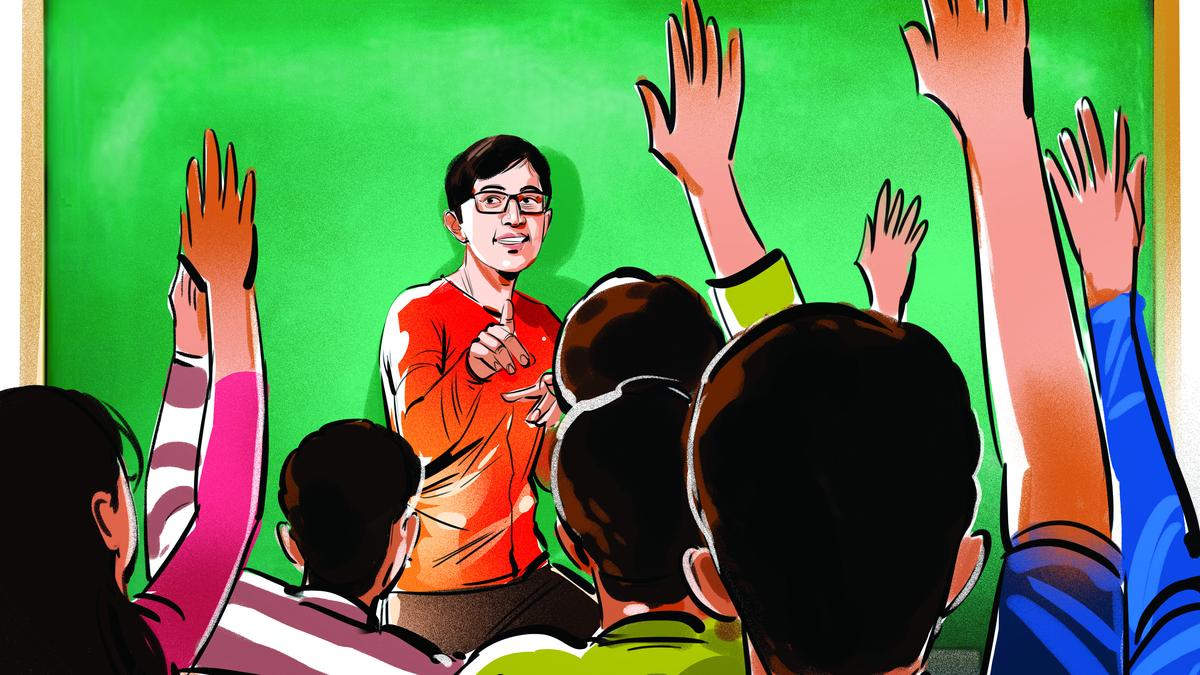
The great teacher’s objective is not to create clones, but to build citizens.
| Photo Credit: Illustration: Saai
A beloved professor died in Kolkata recently. Sajni Kripalani Mukherji was one of those university legends, not just in class but outside of it too. An expert in medieval literature who did her postgraduate studies at St. Hilda’s in Oxford, she was famous for her knowledge of The Canterbury Tales. Her lectures on the Wife of Bath were part of university lore.
Academically, my path intersected only briefly with hers. But she was an unmissable figure on campus, marching around Jadavpur University in her sari and Keds. Almost every tribute talks about her deep dimples, her throaty voice, her warm chuckles and warmer hugs.
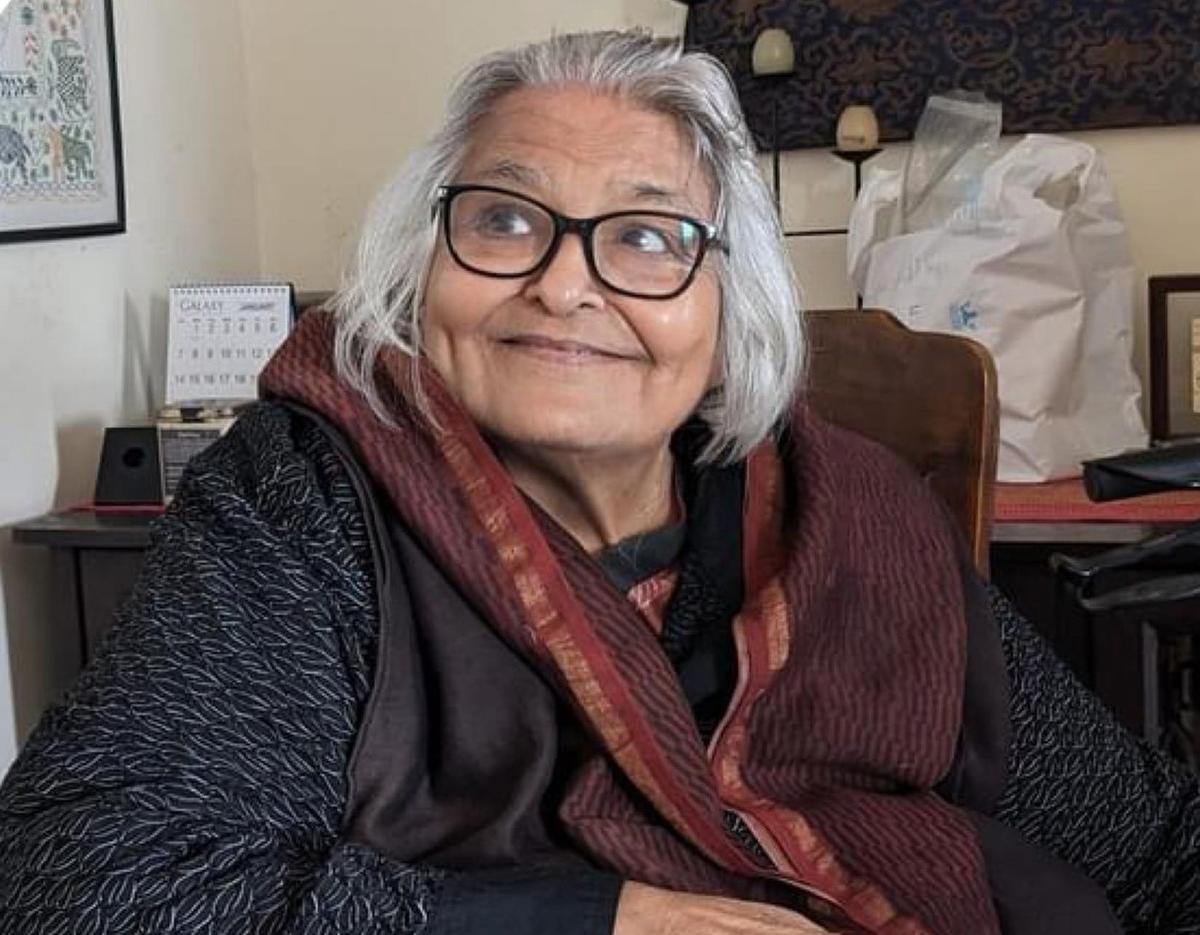
Sajni Kripalani Mukherji
My sister who was her student remembers the hefty grilled cheese sandwiches she would unfailingly offer every time my sister visited. Someone remembers her joining a student protest against the Iraq war. Someone else brings up her pioneering work for making materials accessible to visually challenged students at a time when no one was talking about DEI (diversity, equity, and inclusion). None of it has anything to do with the Wife of Bath, though some mentioned that she took gleeful pleasure in the smuttier bits of The Canterbury Tales. All this to say that in the end some teachers are legendary for their knowledge of their particular fields. But some become legends because they don’t stay confined within those borders. Sajni Kripalani Mukherji was rooted in Kolkata but at home in the world.
The death of a teacher is different from the death of a beloved family member. Families rear us, take care of us, impart values. We are bound to them by blood and duty. But we are bound to our teachers by something ineffable, something most of us do not realise until we have left our schools and colleges. The best of them teach us how to think, not what to think. We are tied to them in ways that have little to do with trigonometry, economics or The Canterbury Tales.
Building citizens
Father Camille Bouche was a pink-faced Jesuit priest from Luxembourg who was the terror of generations at our school in Kolkata. Fathers and sons had gotten a taste of his whistling cane. He did things that would shock us today, like blow cigarette smoke on the boys. I don’t remember much of the subjects he taught us but I remember his stories of escaping the Nazis who killed 19 of his classmates and left him with a scar from a bullet wound on his knee. He taught me to tell stories without fuss and ornamentation.
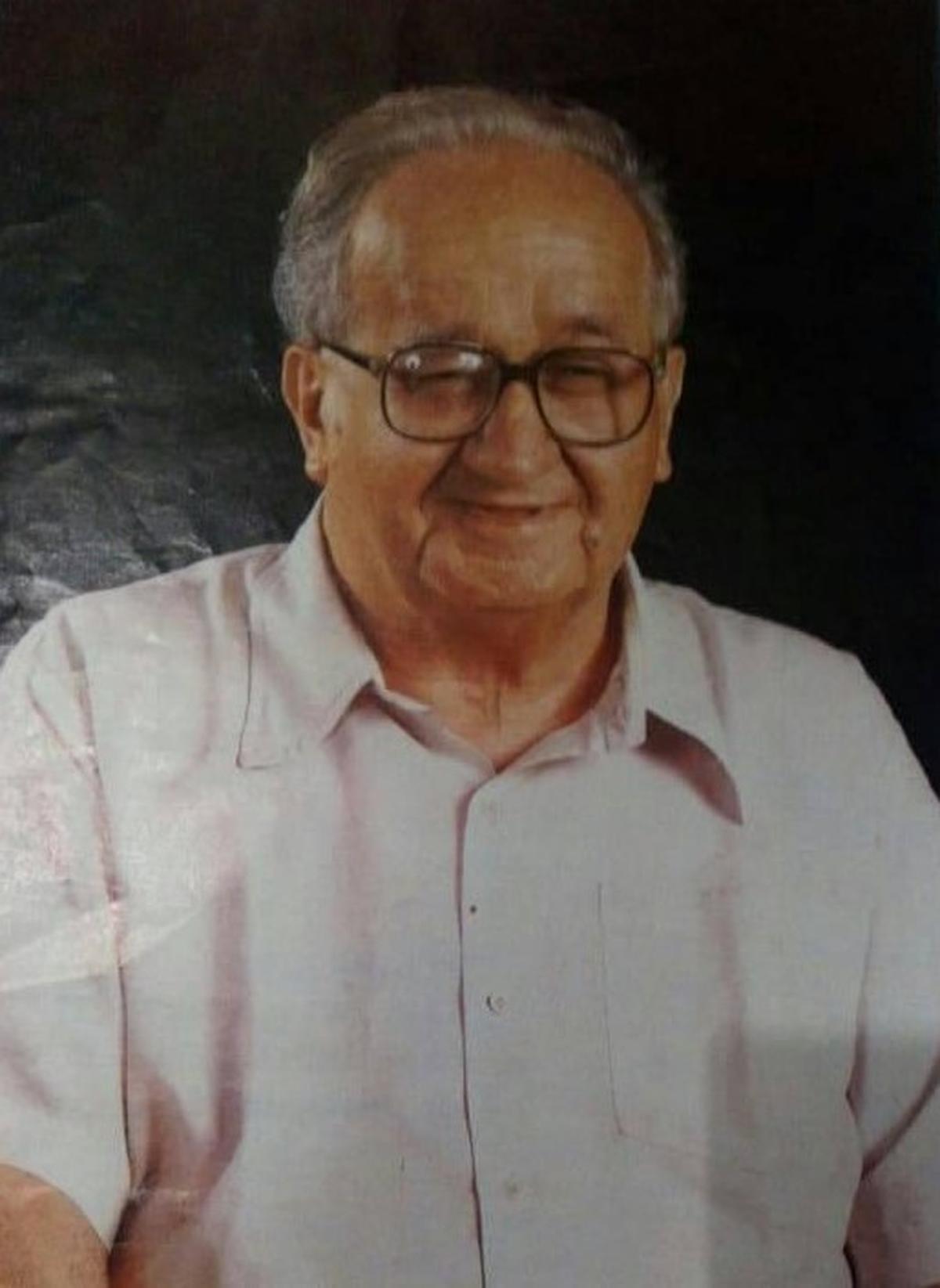
Father Camille Bouche
One day while I was in America, my sister sent an email. “Father Bouche died Tuesday in Calcutta. Funeral on Thursday in Thakurpukur.” He had returned to Europe after retirement but when he discovered he had been diagnosed with cancer, he returned “home” to Kolkata. Good teachers shape us out of mud and bruised grass and then send us out into the world. But they stay back.
When I would visit Father Bouche on annual trips home, I found him in the priest’s cloisters, sweating in his vest, the cassock hanging from a hook in the wall. Now he was an old man, with twinkling eyes, and his old students were his bossy guardians, ferrying him to doctor’s appointments and scolding him for smoking too much.
I do not know if the world-view of the man I became would match his. We were from different worlds and generations. But that is of no matter. For the great teacher’s objective is not to create clones. Instead, it is to build citizens. When I see my social media feed after the death of a beloved teacher, I am struck by how many disparate lives one teacher touched. The tributes reflect a fellowship of the ring but one that spans generations.
Lessons for life
Not all teachers are great, or even good. Many were petty tyrants or only interested in extra income from tuition classes. In fact, the greatest scholars are not always the greatest teachers. The best teachers are the ones whose lessons resound in us long after what they taught in the classroom has faded away.
Over a decade ago, Sajni-di wrote about bereavement and the rituals of mourning for her column ‘Autumn Flush’ in The Telegraph. She advised friends and family to make a list of the things they enjoyed together: “adda, music, books, wine, food, flowers and a great deal of laughter”. And she said, “I would like them to go home from the crematorium or the doorway of the hospital and to behave completely normally as if I were in the next room.”
That is not easy to do but it is indeed a lesson for life.
The writer is the author of ‘Don’t Let Him Know’, and likes to let everyone know about his opinions, whether asked or not.
Published – March 20, 2025 02:17 pm IST
[ad_2]
The Hindu