[ad_1]
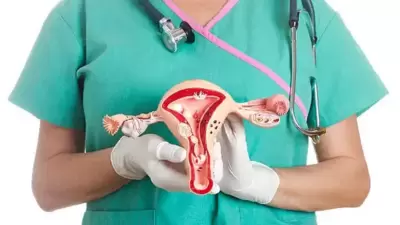
Cervical cancer is one of the most common types of cancers that develops when abnormal cells start growing in the lining of the cervix. Some of the early symptoms of cervical cancer are pain in the pelvis, bleeding in between periods and after sexual intercourse, lower abdominal pain, fatigue, nausea and weight loss. Also read | Cervical cancer: Causes, symptoms, prevention tips and more about HPV infection on World Cancer Day
In an interview with HT Lifestyle, Dr. Kanika Batra Modi, Oncologist, Max Super Speciality Hospital, Saket, explained the seven facts that we need to know about the link between cervical cancer and HPV.
What is HPV?
HPV is the most common cause of cervical cancer. Human papilloma virus is responsible for over 19% cases of cervical cancers and typically it is caused by 16 and 18 sub type which constitute about 70% of all cervical cancer numbers.
How HPV causes cervical cancer?
HPV first causes pre-cancerous changes, and it takes about 10 to 15 years to develop cervical cancer. So, when these high risks catch infections, they come in and go into the cervix. The first course can be easily detectable through Pap smear or HPV tests. But if they are left untreated, they can progress to cervical cancer. Also read | Understanding cervical cancer and what is the HPV Vaccine
HPV causes mild symptoms in most cases
HPV is extremely common in the society. People who are sexually active are more prone to get HPV, however most of the infections are mild and can be cleared away by the body’s immune system. With high-risk subtypes, HPV can cause persistent infections that can lead to cancer.
How effective is the HPV vaccine?
HPV vaccines, Gardasil 9 and 4, and now the Indian vaccine is highly effective against the high-risk subtypes of cervical cancer of HPV. The vaccine is recommended for both girls and boys, and even in adults up till the age of 45 years.

HPV affects both men and women
HPV can affect both men too, leading to penial cancers, anal cancers and oral cancers. HPV vaccination is recommended for men as well, to improve the herd immunity, and also protect against cancer.
Is cervical cancer preventable?
Cervical cancer is preventable. Regular screening through a liquid based cytology and HPV testing can detect early dysplasia, which can allow foreign intervention. Combining this with HPV vaccination and screening can also prevent all cervical cancers. Also read | World Cancer Day 2024: Simple lifestyle changes to prevent cervical cancer
Are all HPV subtypes dangerous?
Not all HPV subtypes are dangerous. There are over 200 types of HPV strains, of which only 14 are high risk. There are low risks ones also, which have been associated with genital warts, but they do not lead to cancer.
Disclaimer: This article is for informational purposes only and not a substitute for professional medical advice. Always seek the advice of your doctor with any questions about a medical condition.
[ad_2]
Hindustan Times k