[ad_1]
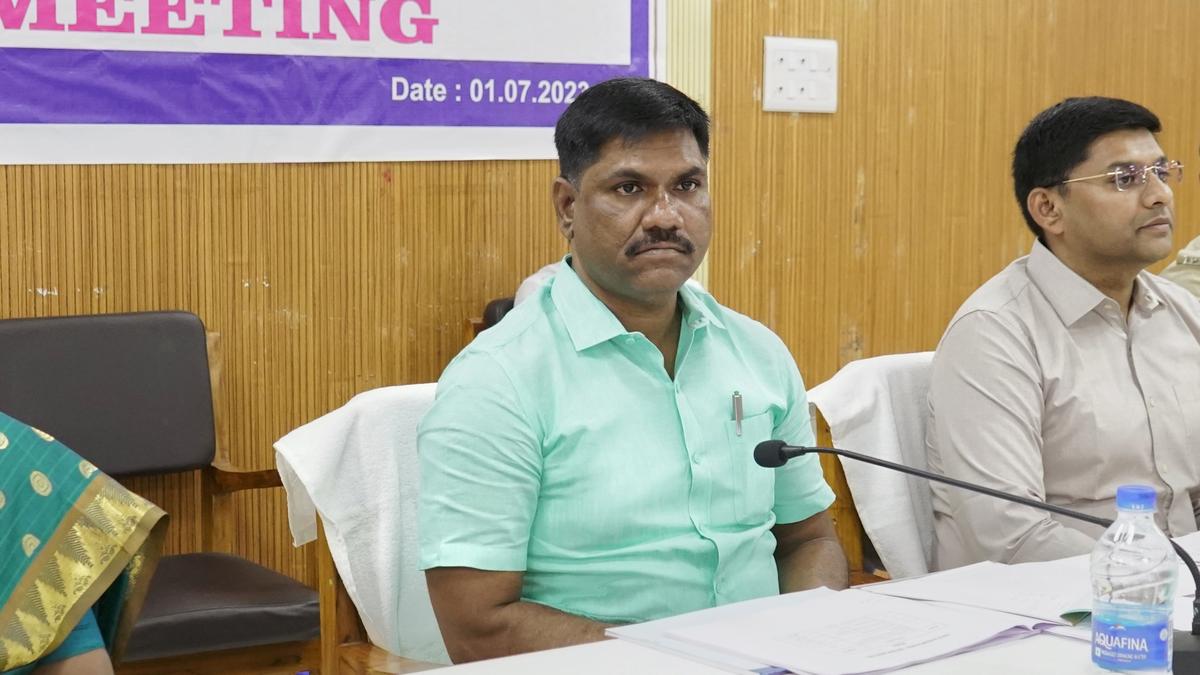
Welcoming the extension, NCSK Chairperson M. Venkatesan told The Hindu that this would go a long way in ensuring that the commission could continue its work but added that the need of the hour was to accord statutory status to it. File
| Photo Credit: R. Ashok
The Union Cabinet on Friday (February 7, 2025) approved a three-year extension of tenure for the National Commission for Safai Karamcharis (NCSK), which functions under the Ministry of Social Justice and Empowerment to implement provisions of the law prohibiting manual scavenging across the country.
Welcoming the extension, NCSK Chairperson M. Venkatesan told The Hindu that this would go a long way in ensuring that the commission could continue its work but added that the need of the hour was to accord statutory status to it.
Also read: National Commission for Safai Karamcharis urges Tamil Nadu to establish State-level commission
In a statement issued late on Friday (February 7, 2025) night, the Union Cabinet said the extension of the commission’s tenure would have a financial implication of ₹50.91 crore over the next three years.
The Cabinet statement added, “It would help in facilitating socio-economic upliftment of sanitation workers, improving the working conditions in the sanitation sector and aiming to achieve zero fatalities while performing hazardous cleaning.”
Mr. Venkatesan said, “We thank the government for this extension and appreciate the strides it is taking in ending the problem of manual scavenging and sewer/septic tank deaths. A lot of headway has been made but the commission needs teeth to do its work and that will happen only with statutory status.”
The NCSK Chairperson, who also said the commission continues to deal with staff shortages, added that he was confident the government would soon decide on the issue of according the NCSK statutory status.
In addition to being the implementing agency for provisions of the Prohibition of Employment as Manual Scavengers and their Rehabilitation Act, 2013, the NCSK has a mandate to recommend specific programmes for the upliftment of sanitation workers to the Centre, investigate specific grievances they may have, and to study and monitor their working conditions, among other functions.
The first NCSK set up in 1994 under the National Commission for Safai Karamcharis Act, 1993 was functioning as a statutory body till 2004, when the law lapsed. Since then, the commission is acting as a non-statutory body under the Social Justice Ministry with its tenure being extended from time to time.
Published – February 07, 2025 10:39 pm IST
[ad_2]
IThe Hindu