[ad_1]
As seasons change, vulnerable age groups, including children, are more likely to fall ill. The transition from winter to summer, with a brief spring in between, brings rising temperatures, airborne dust or pollen, and increased pollution, all of which can impact children’s health negatively. Parents need to adopt the necessary measures to protect their children’s health.

In an interview with HT Lifestyle, Dr Krishna Prasad, Consultant Pediatrician at Motherhood Hospitals, Electronic City, Bangalore, shared some necessary steps parents should follow to ensure that allergens and other triggers don’t compromise their children’s health. After all, as children start their new academic year, they need to be fit and healthy so that they can maintain their focus on their studies.
Dr Prasad explained the common symptoms and said, “Kids, after catching seasonal allergies, develop symptoms like sneezing, runny or stuffy noses, coughing, nasal congestion, itchy eyes, and skin rash. This usually happens due to a sudden change or shift in temperature, an increase in pollen levels, or dust in the air.”
Here are some safety measures Dr Prasad shared to prevent seasonal allergies:
Maintain good hygiene

Since it is not easy to keep children from playing outside, parents must ensure that kids take showers after outdoor activities and wash their hands and feet properly before and after meals. Parents should prevent their kids from rubbing their eyes because it can cause infections. Bed sheets, stuffed toys, and curtains should be washed, and rugs or carpets should be vacuumed frequently to remove germs. To maintain indoor air quality, parents can use purifiers and dehumidifiers.
Regular monitoring of pollen levels

Parents should stay updated daily regarding pollen levels. Staying updated can help parents let their children play outdoors only when the pollen levels are low. Parents should keep the doors and windows closed during high pollen levels to prevent allergies from entering the home. Follow pollen level forecast on websites like this.
Taking medications after consulting a doctor

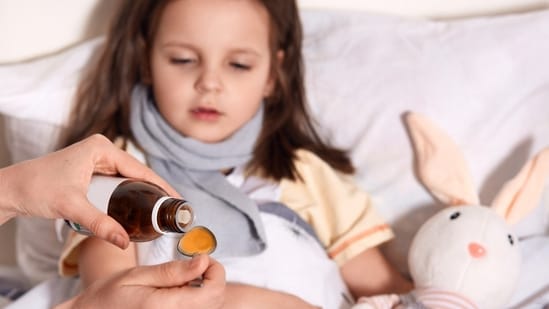
The medicines prescribed by doctors typically vary among children based on their condition. Some children experience mild allergy symptoms, while a few require extra care. Paediatricians usually suggest medication with the proper dosage. Doctors also recommend nasal spray if the kid is facing breathing problems. Eye drops are also used to get relief from watery and red eyes. Sometimes, doctors recommend allergy shots to prevent chronic disease and other future health complications.
ALSO READ: Study finds saltwater nasal drops treat cold in children quicker, recovery two days sooner
Boost immune system with good diet and exercise

Parents can consult a dietitian for their child’s personalised diet chart. Parents should include a diet rich in nutrients, vitamins, and omega-3 fatty acids such as fruits, vegetables, and fish. Kids should at least get 9-10 hours of sleep every day because it helps reduce stress and builds the immune system. Parents can also help to motivate their children to engage in physical activities like exercise, yoga, swimming, and cycling because these activities will help boost their energy to fight seasonal diseases.
Note to readers: This article is for informational purposes only and not a substitute for professional medical advice. Always seek the advice of your doctor with any questions about a medical condition.
[ad_2]
Hindustan Times k